






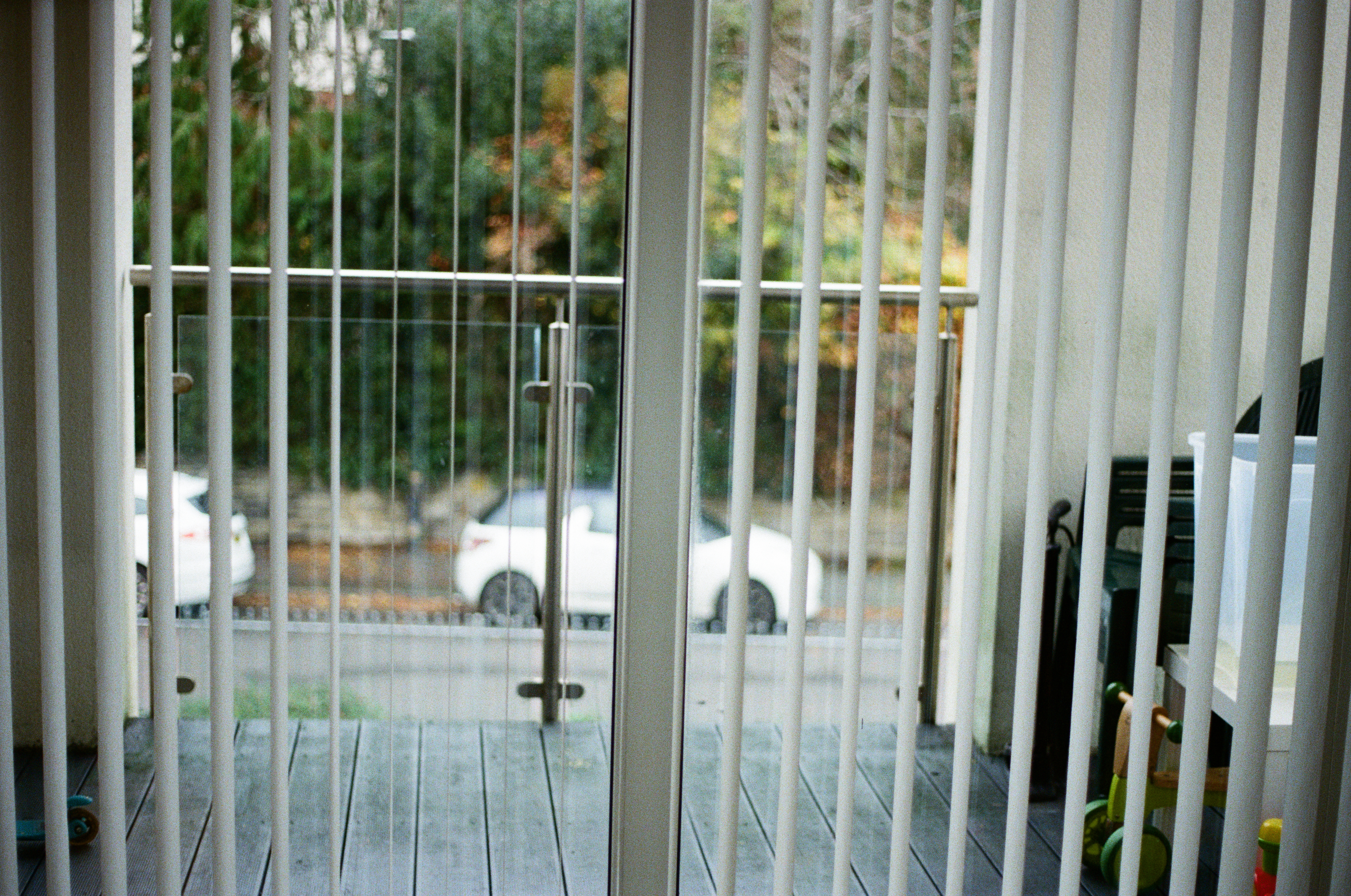





I’ve always felt such a conflict about my lived environment. I remember one flat I moved into in east London- how it took me nearly 3 months to unpack the many boxes that filled up a corner of the tiny space. Physically unable to fully embrace the stability that can come with change but also not able to understand the impact of how best to feel ‘at home’. Never more was this a thematic in my life than when children appeared. The internal space became a daily reminder of my do-it-yourself approach to home-making, an aesthetic-free zone, an internal conflict between being functional and yet an internal struggle to feel proud of it or connected to what it represents. The piles of items come as no surprise to a family space, the mix of domesticity that comes with flat dwelling as small people rampage through every room bringing all together in one minor swell. Never truly understanding why there’s a teatowel in the bed or why the oven gloves are on the sofa again. I’ve regularly been told that children who live in houses ‘never venture upstairs’ and I wouldn’t expect there to be much up there until their brains form into young adults needing solitude and space.
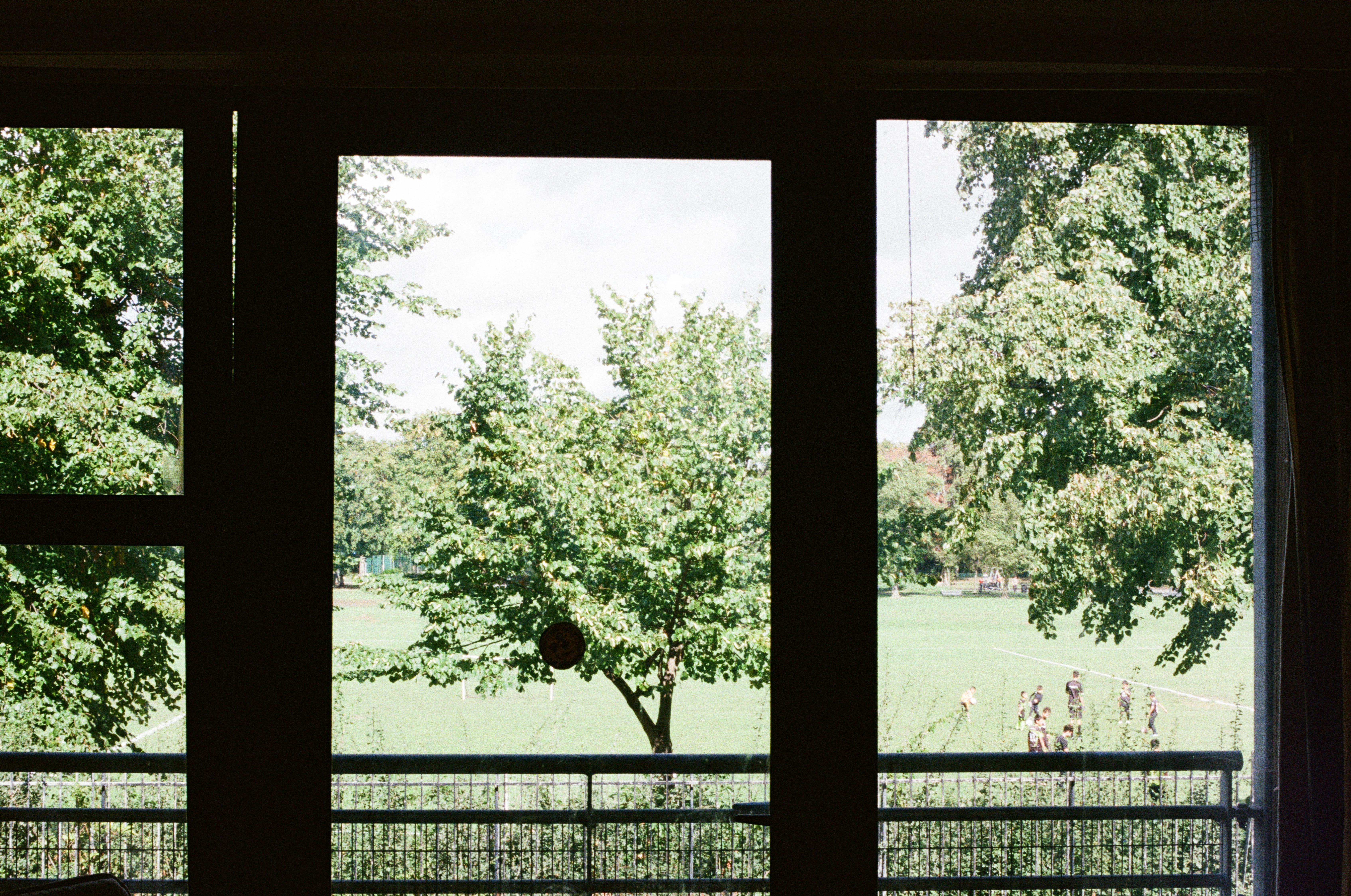
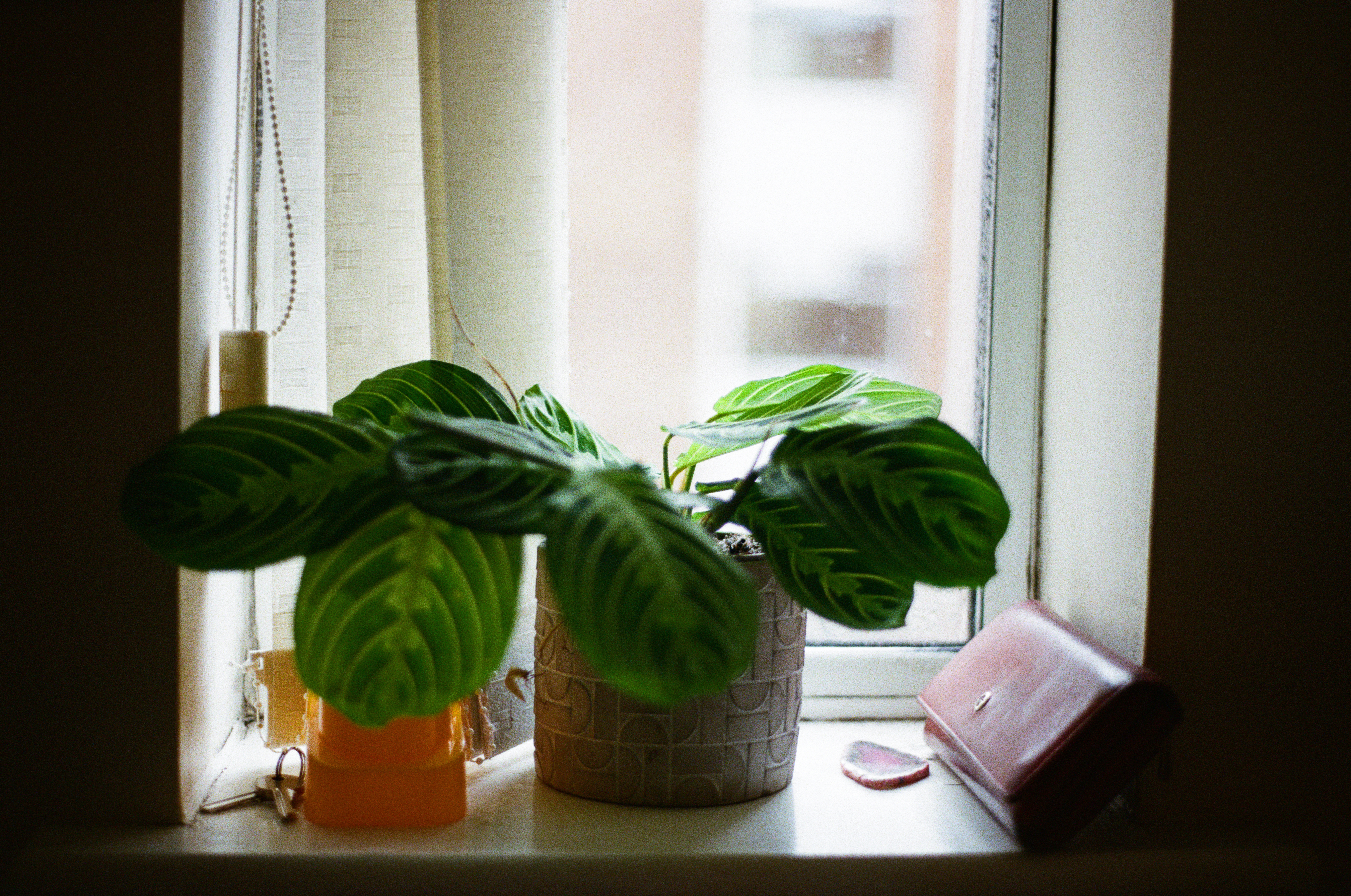
The difficulty I’ve felt comes from the algorithm of beauty presented of course via social media, for me a mute point of shame- the constant house renovations, the well chosen kitchen tops, the hours I’m sure spent on the paint for the front room, hanging pictures and embracing spaces with swathes of house plants kept alive by diligent fingers. My spaces feel like a half home, functional at best, ‘well-loved’ a friend once kindly said. This did soften the blow that whilst I’m not raising children in surrounds which may be aesthetically pleasing, or with a garden that allows for roaming boys to free themselves that there was comfort to be found. I wanted to capture this- a test for my SLR and for my capacity to document internal spaces over roaming my local area, I also wanted a testament for times gone by to refer to as a method to remember our lives in London and the major move we made to Manchester. The wildly varied results prove the struggle in this approach.
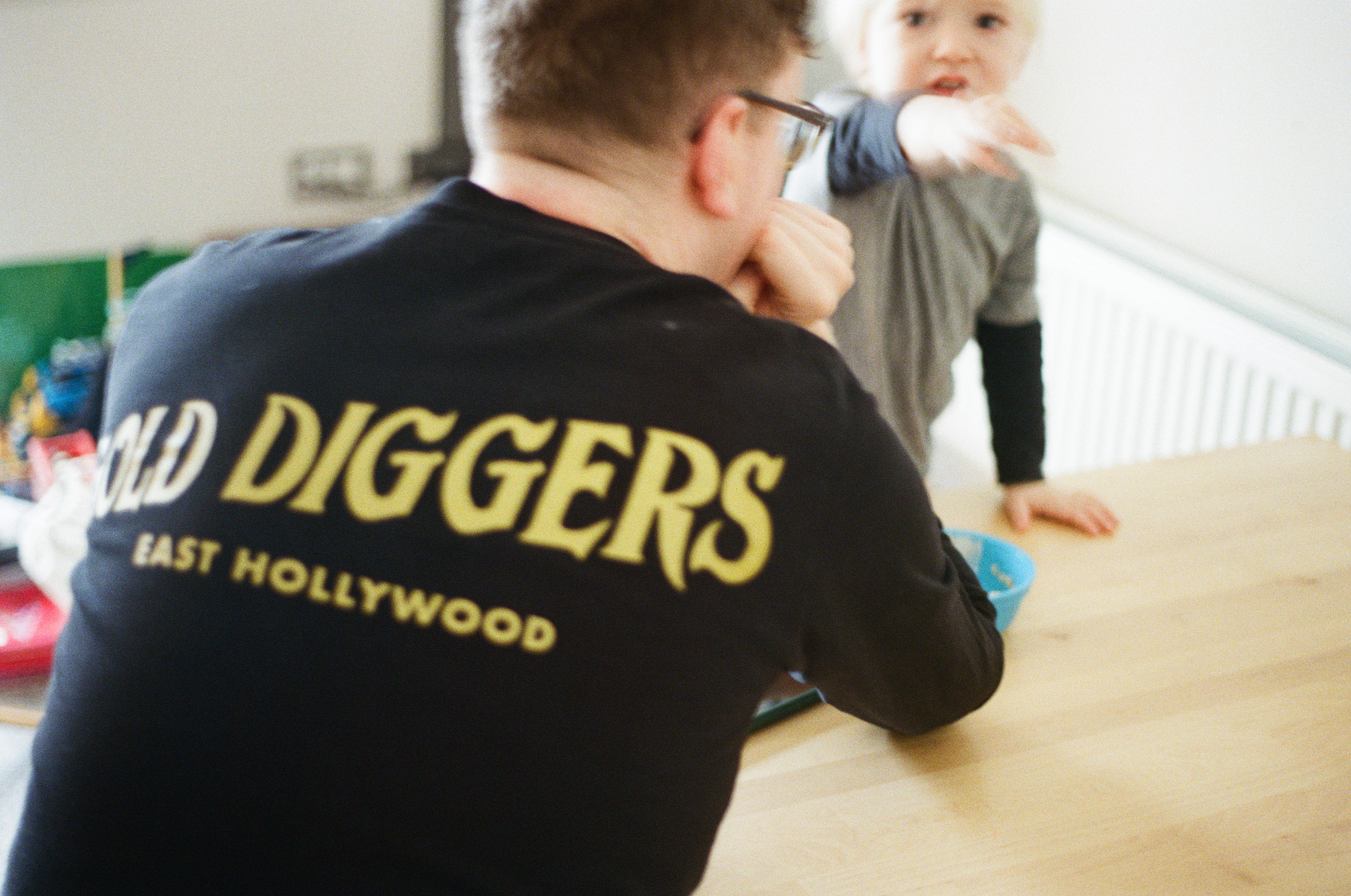
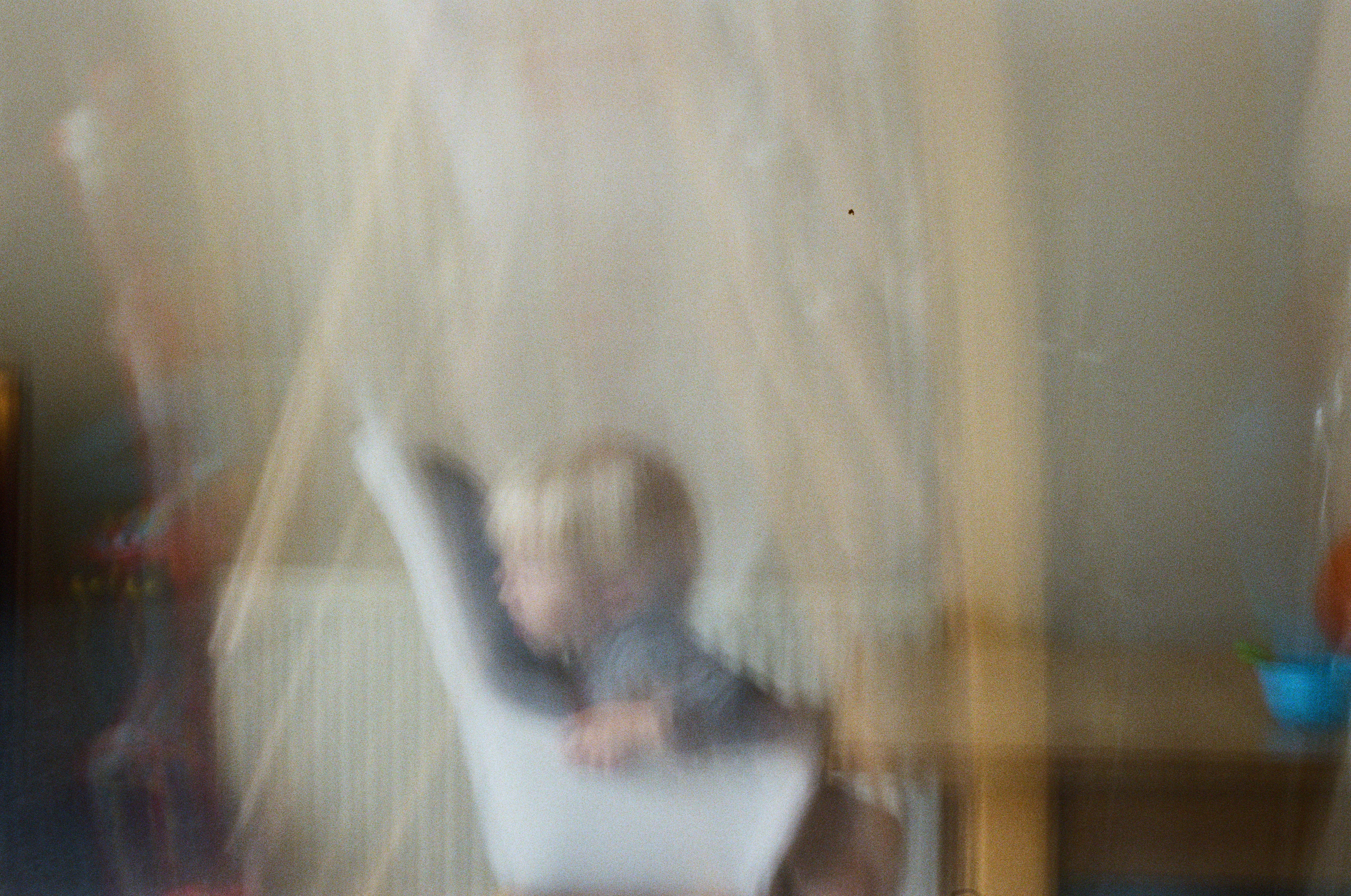
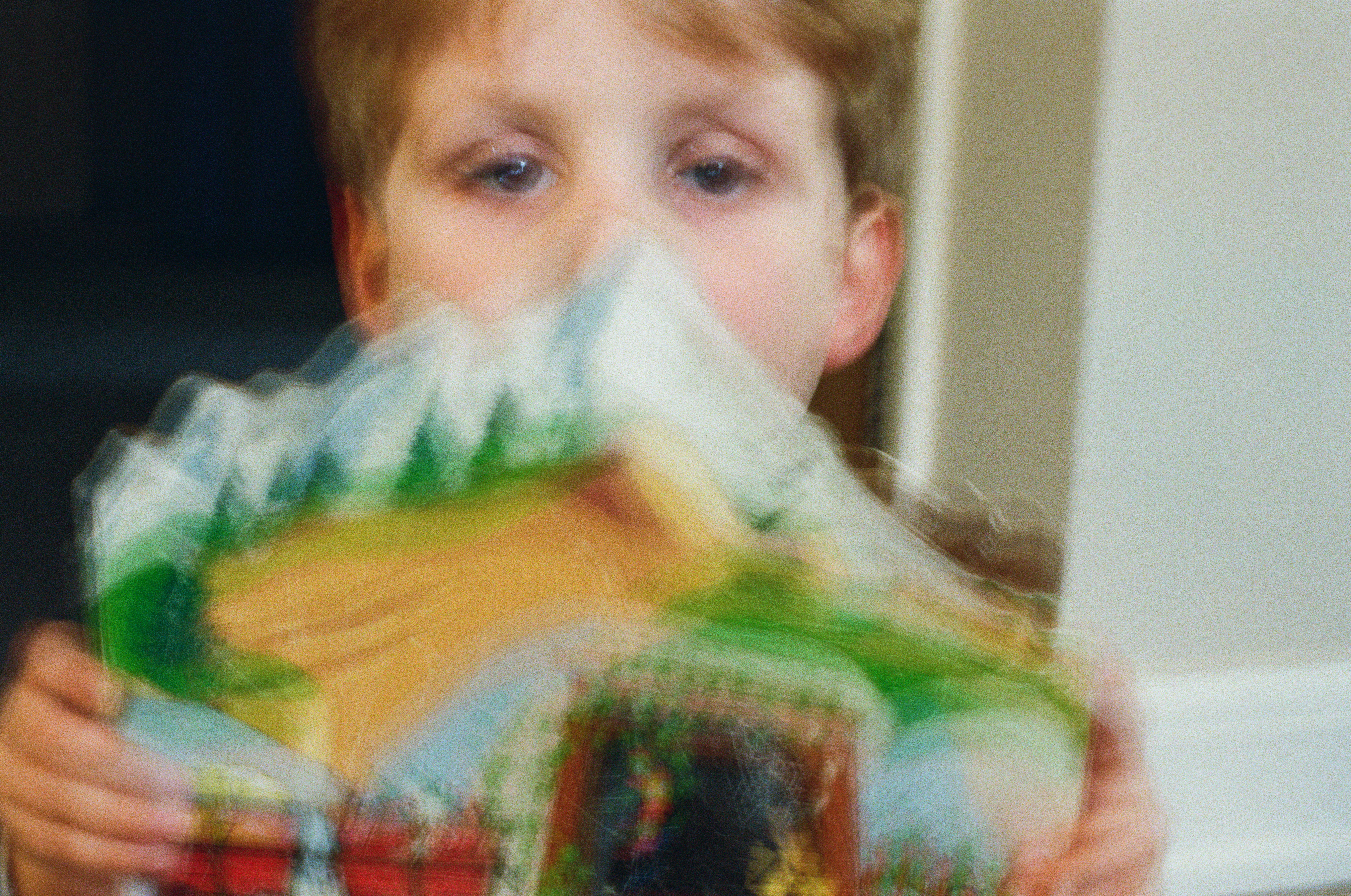
Reckoning with the scope of SLR documentation of children was also a major challenge, my domestic setting- the light switches and the darkness that comes from internal spaces. Also the fascination that comes from wielding something so unique between your hands, the shouts for ‘my turn’ , the requests for pictures and the struggles when the images aren’t reproduced immediately on a screen. I wanted to bring my children at least once into my photobooks to think about their presence and their movement, the inability to focus, and the wide-eyed hope to engage in something you’re attempting.
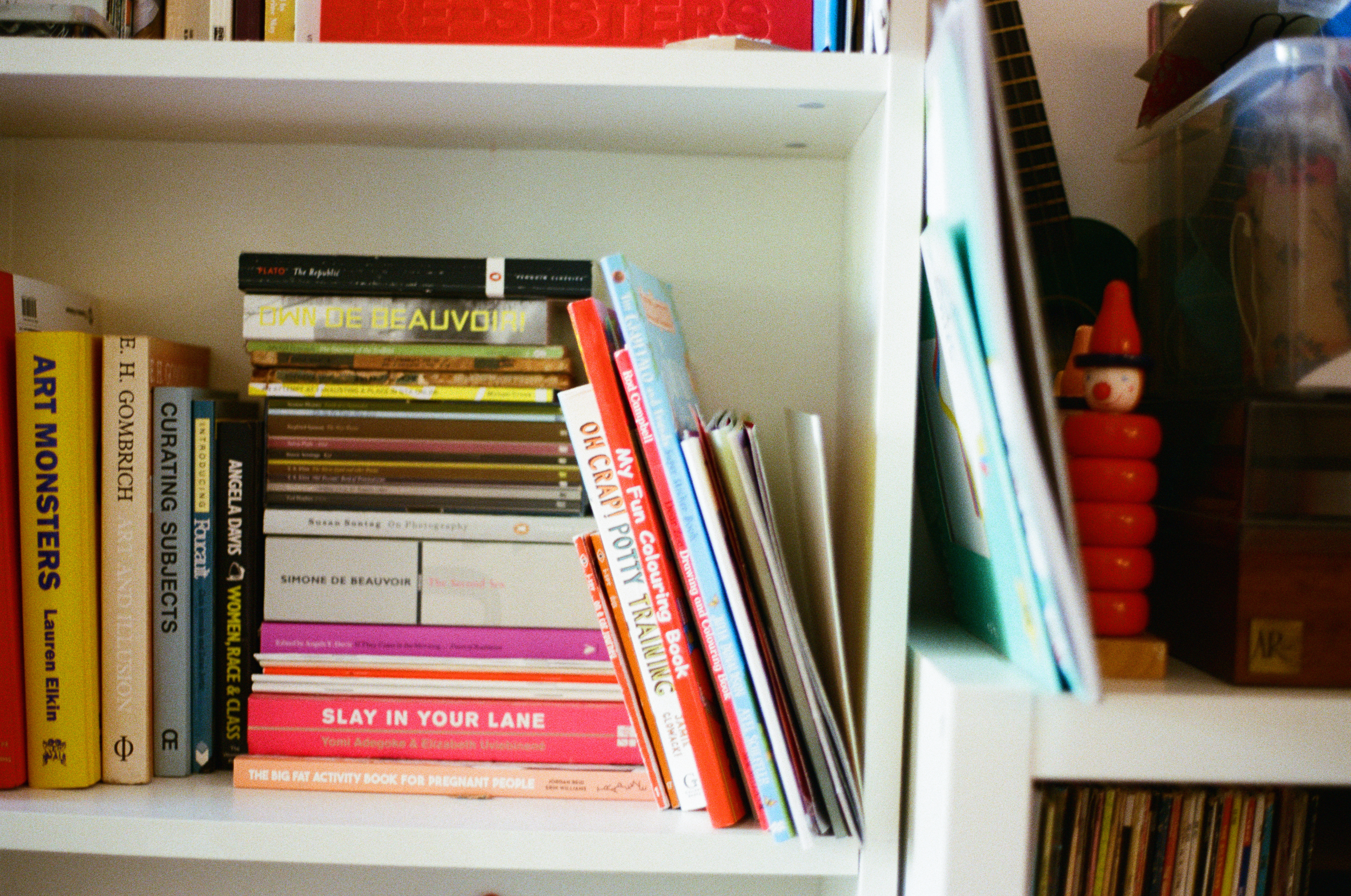
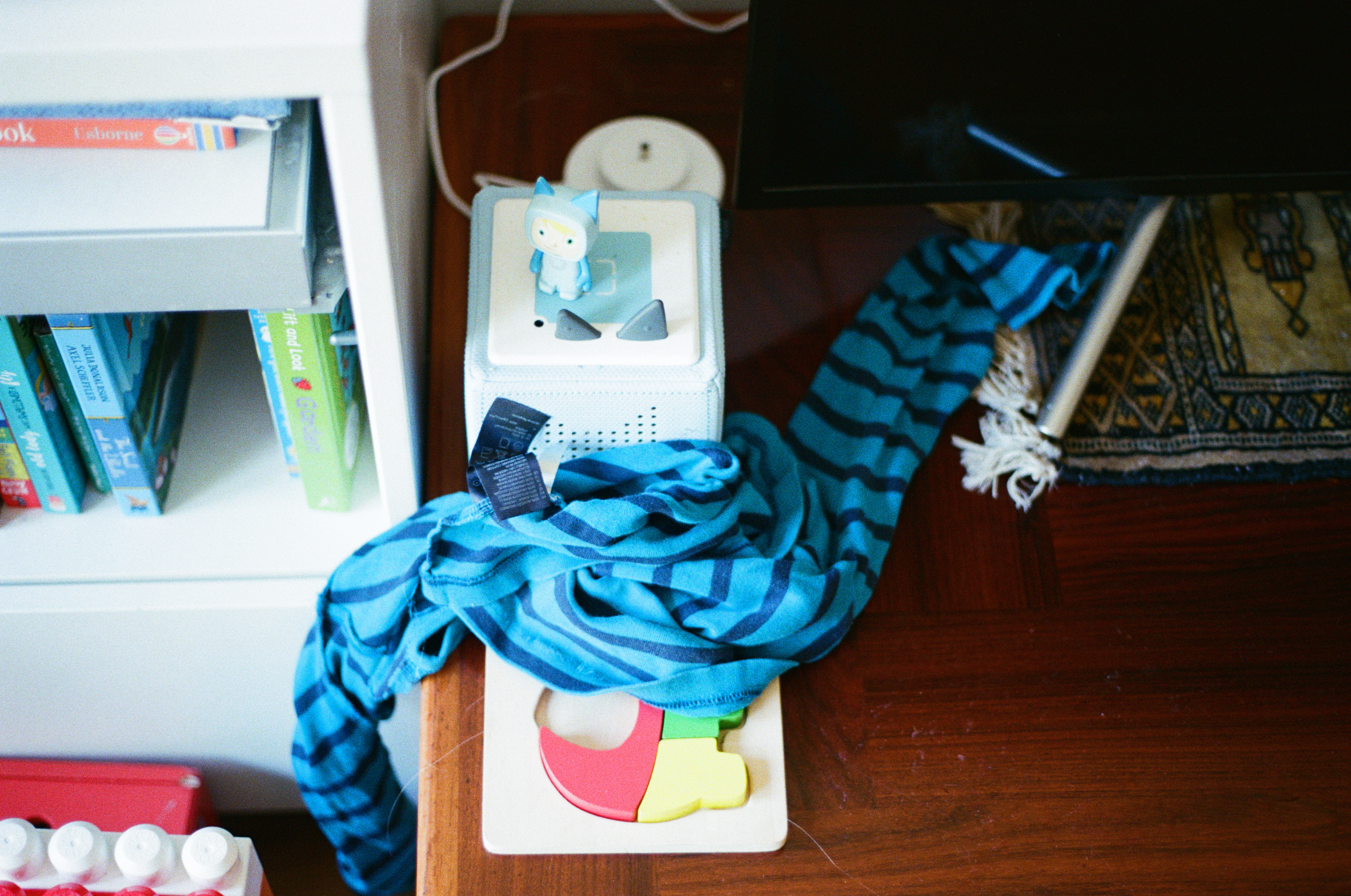
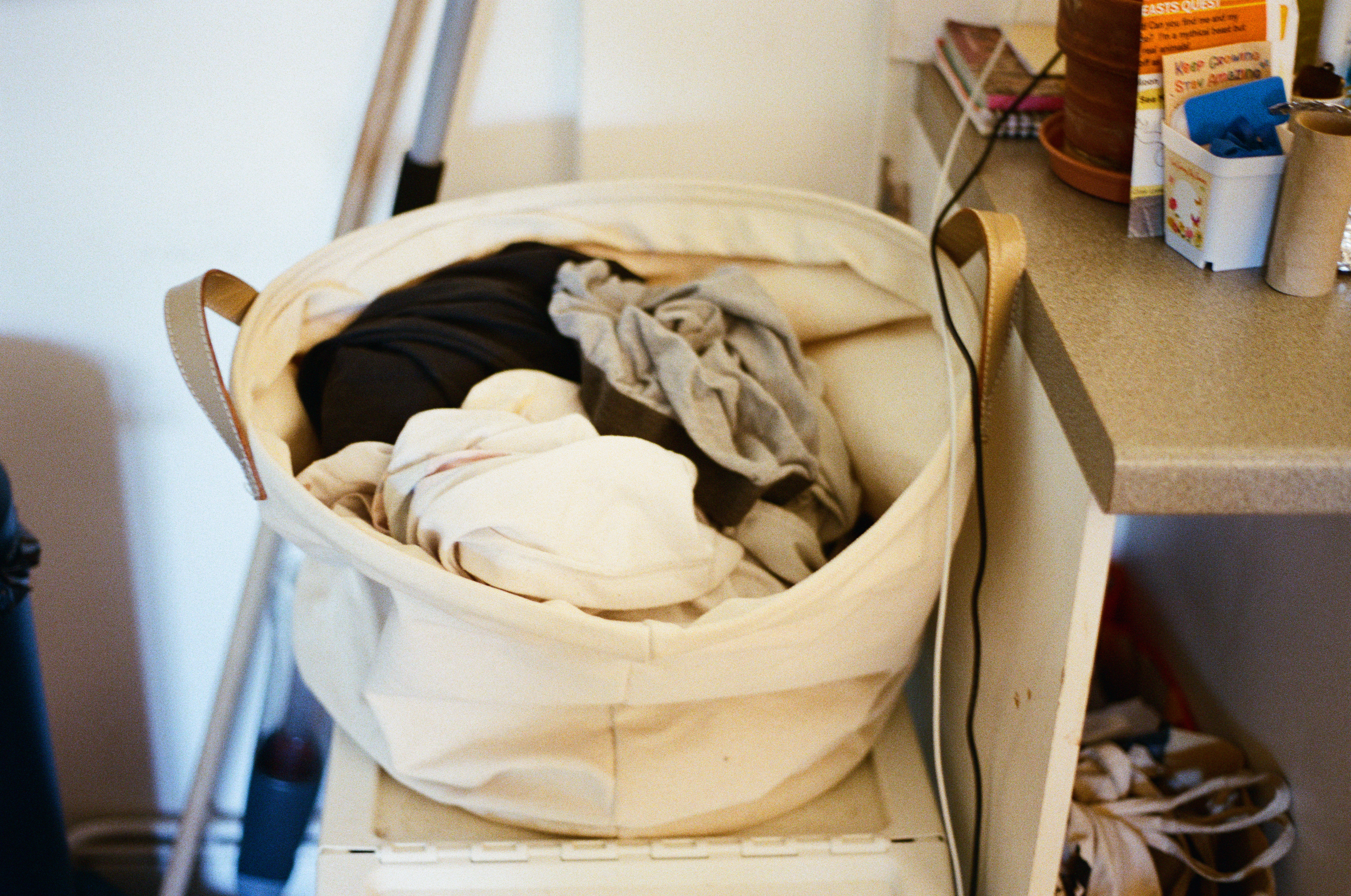
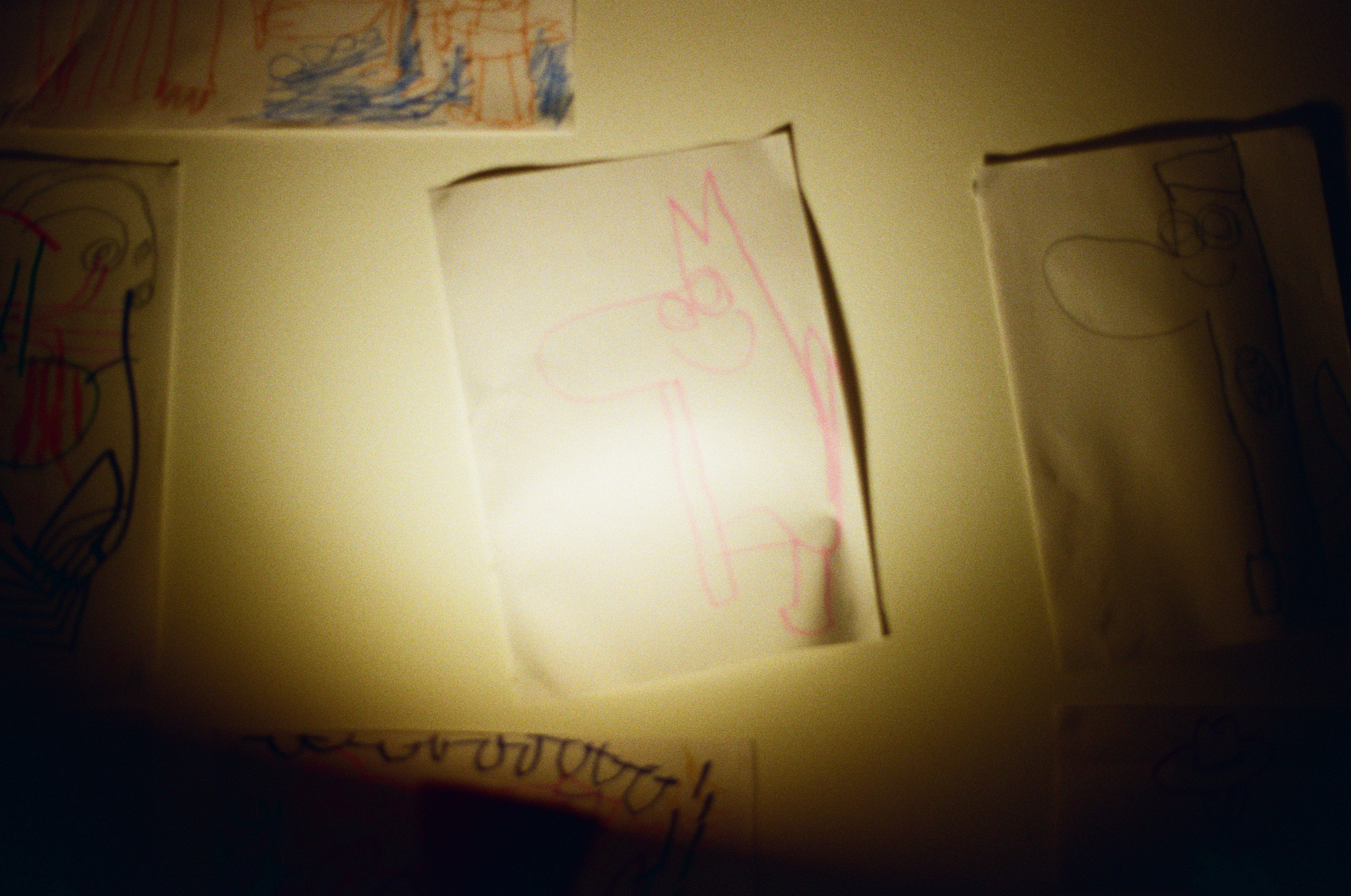
My spaces have never been beautiful, news of our new tenants already decorating and replacing our beaten up kitchen and bathroom doesn’t surprise me, I’ve felt pressured by a constant financial fear- the worry to hold any money we do have tight and close, never truly feeling professional beyond my student means. Not spending on making something new or ‘nice’, the thought that we can live and make do with what we have, also the practicality of knowing that small people thrash at households, the stains on our IKEA sofa, the gouges in our dinner table, these will maybe enter our family folklore, reminders of the struggles and hopeful relief. The constant plastic cups, the brick-a-brack of child art work, the random rolls of toilet roll, the baby bottles drying and the houseplants hanging on by a thread. I’ve long-held aspirations that my home would be this pleasant and equally practical idea, that ‘the home’ would just arrive one morning and I’d feel comfortable there. Maybe the reality is that this is my comfort, the cracks and the dust, the blue tack and the sellotape edges, the bags of recycling and the clothes drying.